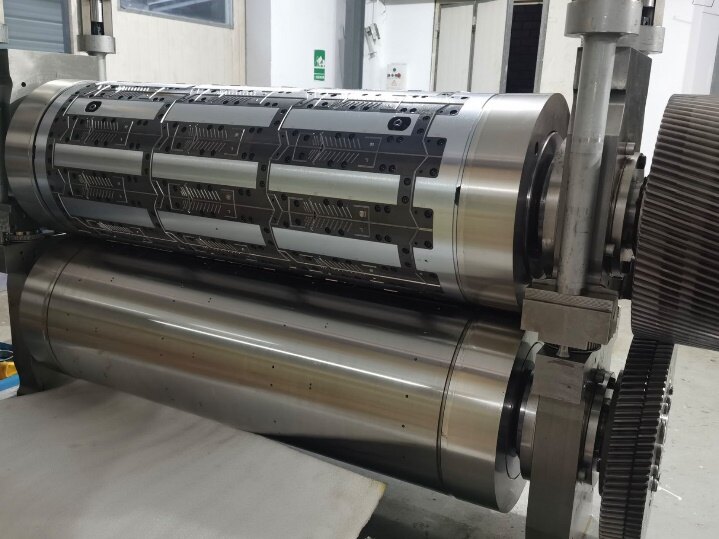

Rotary Hot Foil Stamping Technology
Rotary hot foil stamping uses heat, pressure, and controlled rotary motion to transfer metallic or holographic foil onto packaging substrates. WorldColor implements this process in roll-to-roll and sheet-fed systems, with engineering focused on stable pressure transfer, registration control, and efficient foil feeding.
How Rotary Hot Foil Stamping Works
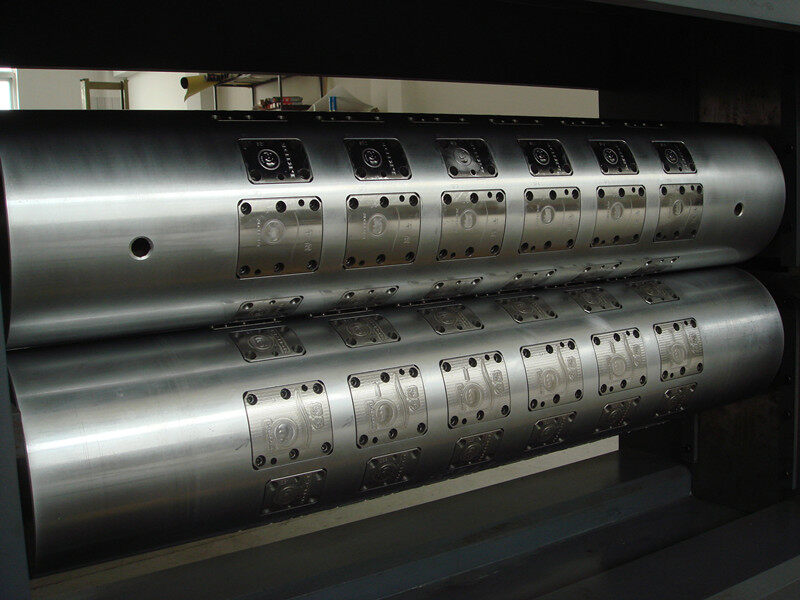
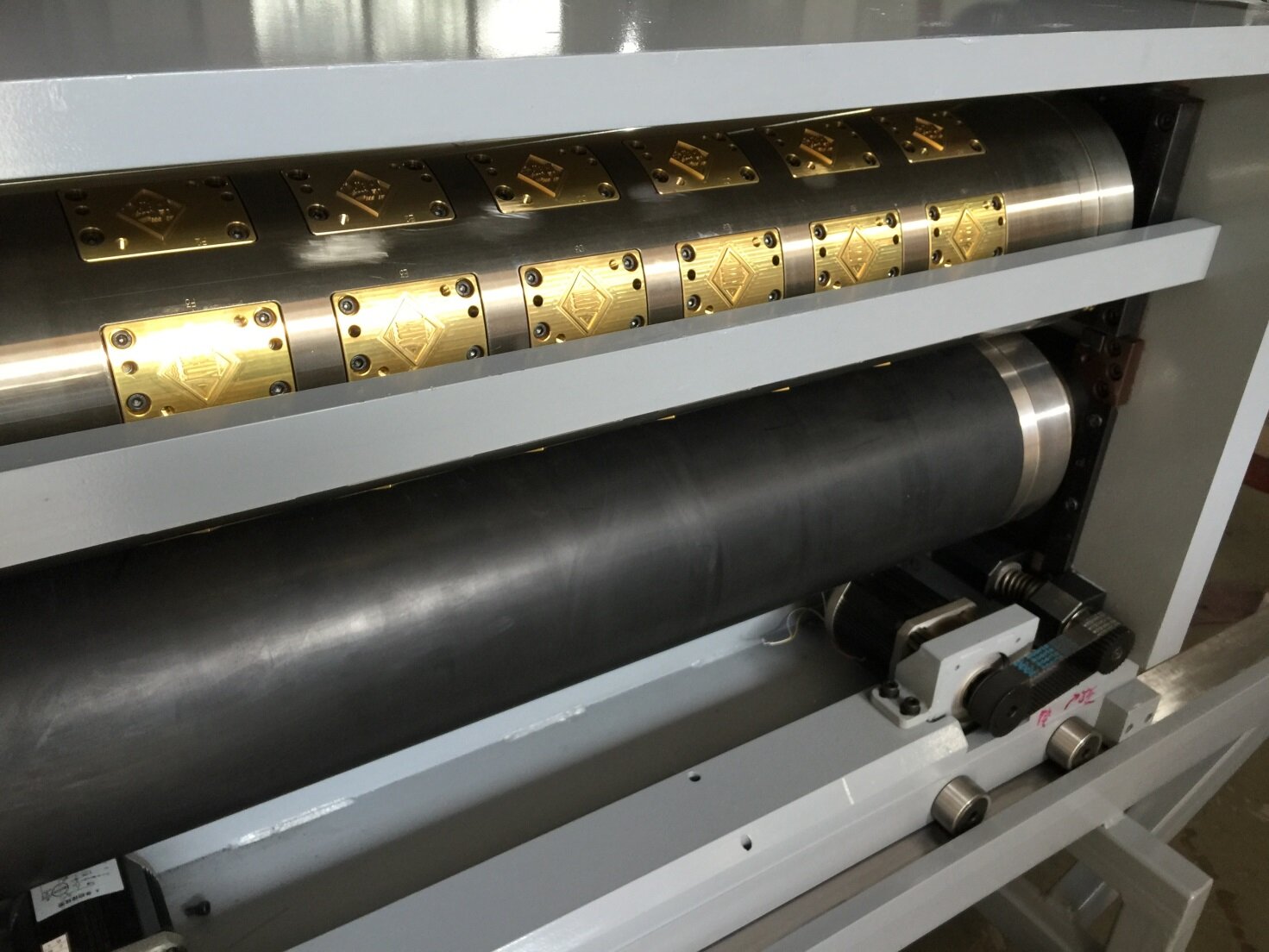
In the stamping zone, a heated rotary cylinder presses the foil and substrate against an opposing roller. Heat and pressure transfer the foil image, while the rotating cylinders create a progressive line-contact zone instead of pressing the entire area at once. Registration control aligns the stamping position with the printed or holographic image, and individual foil-step control can minimize unused gaps between successive stamping areas based on the layout.
Rotary vs. Flat Hot Stamping
The following comparison summarizes typical process differences outlined in WorldColor's application materials. Actual results depend on equipment configuration, substrate, foil, artwork, layout, and operating conditions.
| Aspect | Rotary Process | Flat Process |
|---|---|---|
| Contact and Pressure | Line contact enables gradual pressure transfer and supports a relatively uniform pressure distribution. | Large-area surface contact; local pressure may vary depending on the plate, substrate, and make-ready conditions. |
| Foil Bonding | Progressive line contact enables stable foil transfer and bonding under appropriate conditions. | Local pressure differences can cause incomplete transfer, reverse pulling, or broken lines on detailed patterns. |
| Production Consistency | High-precision cylinders and continuous motion ensure stable output during long runs. | May require local make-ready or padding; consistency depends heavily on setup and plate condition. |
| Production Speed | Continuous rotary motion enables higher throughput for high-volume applications. | The intermittent stroke cycle may limit throughput for complex, high-volume applications. |
| Sign Up | Continuous motion and registration control deliver high registration accuracy for both conventional and holographic patterns. | Registration performance may vary due to intermittent transport, equipment, or product conditions. |
| Foil Usage | Individual foil-step control can reduce foil waste by minimizing gaps between successive stamping patterns, depending on the layout. | Skipping gaps and layout constraints may increase foil usage. |
| Large-Area Patterns | Progressive line contact minimizes air entrapment and enhances transfer uniformity. | Large-area stamping is more sensitive to air entrapment, pressure distribution, and incomplete transfer. |
| Fine Lines and Intricate Patterns | Supports fine-line and complex-pattern stamping under suitable conditions. | Fine patterns may be more prone to plate sticking, breakouts, and pressure variations. |
Verified Engineering Features
Key engineering features developed through ongoing R&D in rotary hot foil stamping and die-cutting technologies.
Rotary Line-Contact Pressure Transfer
Progressive line contact ensures relatively uniform pressure distribution across the web width.
Registration Control
Registration control for conventional and holographic patterns under suitable operating conditions.
Individual Foil Step Control
The foil control system reduces waste based on pattern layout and operating conditions.
Electric Heating & Temperature Control
Electric heating and temperature control system with a maximum cylinder temperature of 250°C.
Project-Specific Settings
Configure machine and cylinder based on customer equipment, artwork, and process requirements.
Roll-to-Roll and Sheet-Fed Rotary Hot Foil Stamping
WorldColor uses the same rotary hot foil stamping principle in two production formats. The right configuration depends on whether the process is web-fed or sheet-fed, as well as material, format, speed, foil layout, and registration requirements.
For continuous web-fed production. This system is designed for high-volume packaging applications requiring rotary hot foil stamping with controlled web handling, foil feeding, and registration.
For sheet-fed production. The system performs rotary hot foil stamping on individual sheets, ideal for packaging workflows using sheet-fed material that require precise foil feeding and registration.
Sample Applications
Examples of hot foil stamping, embossing, and die-cutting applications enabled by our technology.